

Why Accurate Measurements Matter for Blinds Installation
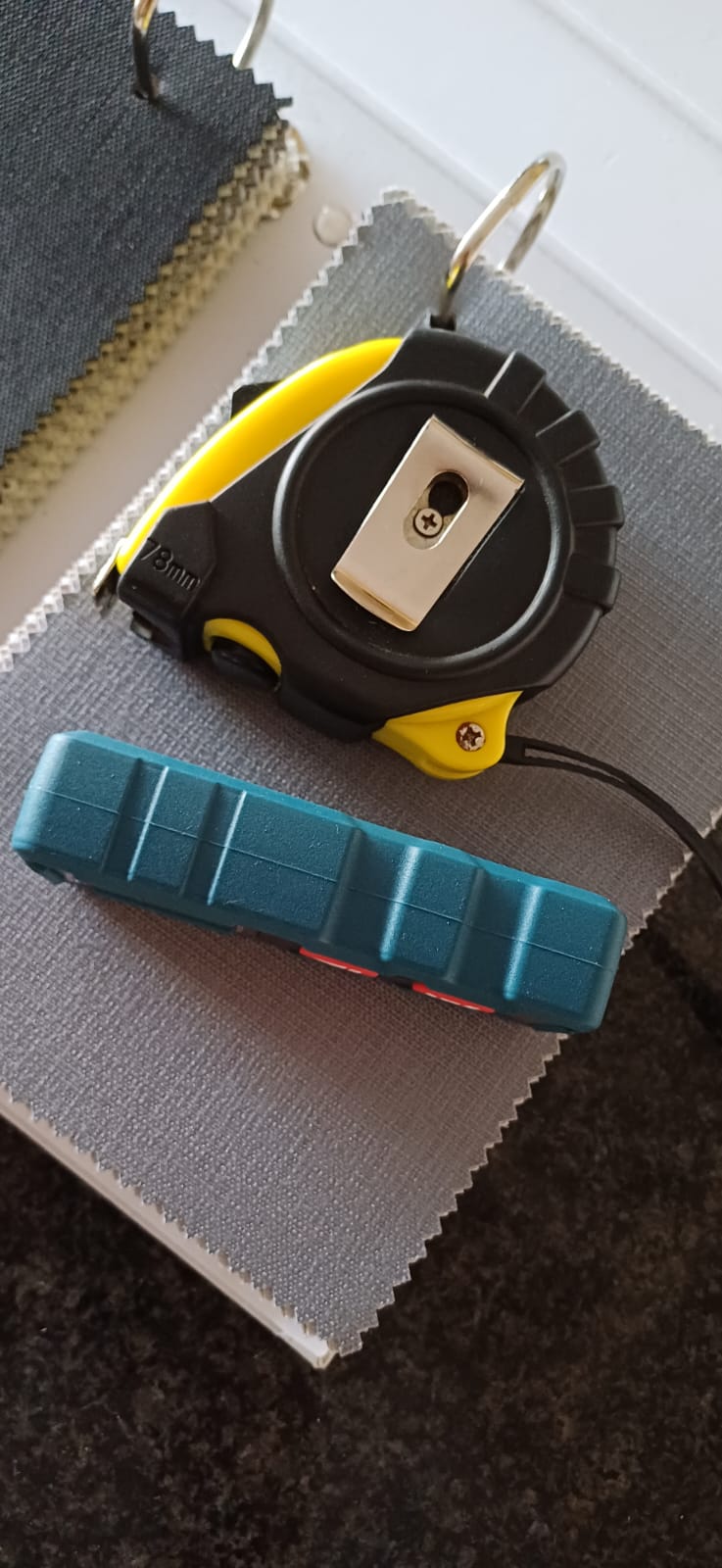
Essential Tools for Measuring Windows
• A laser measuring device for accurate readings
• Paper and pencil to record measurements
• A step ladder for tall windows
• A helping hand for larger windows
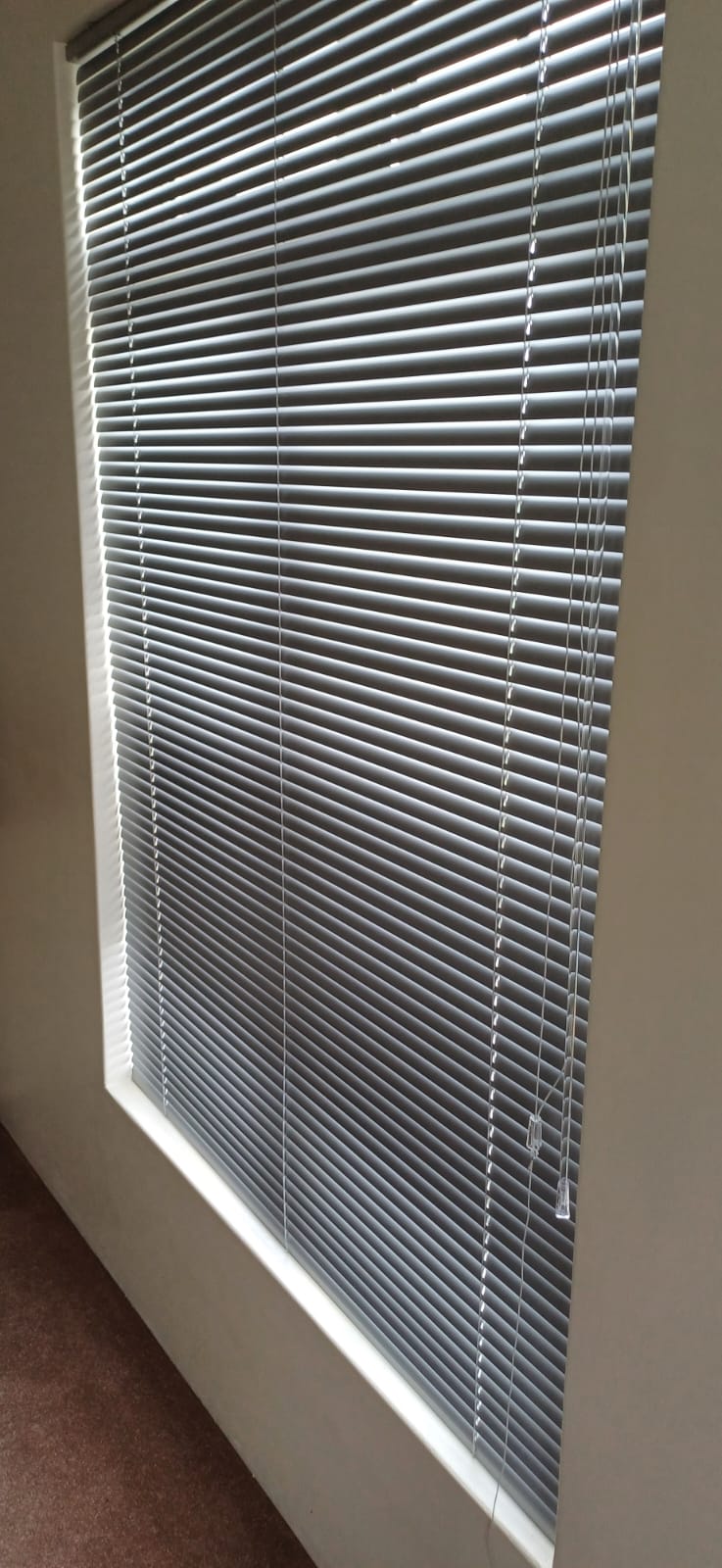
Inside Mount vs. Outside Mount: Which to Choose?
Inside Mount
• Your window has adequate depth to accommodate the blind
• You have multiple blinds that need to align neatly next to each other
Outside Mount
• You want to make a window appear larger
• You need to cover unattractive window frames
• You want to block more light
Step-by-Step Guide to Measuring for Inside Mount Blinds
2. Measure the height at three points - left, center, and right side of the window. Record the longest measurement to ensure adequate coverage.
3. Check the depth - Measure the window depth to ensure it can accommodate your chosen blinds. Different blind types require different minimum depths.
4. Record exact measurements - Don't round up or down; provide exact measurements to the nearest millimeter.
Step-by-Step Guide to Measuring for Outside Mount Blinds
2. Determine the desired height - Measure from where you want the top of the blinds to sit to where you want them to end. For maximum light control, add at least 50mm at the top and bottom.
3. Mark your measurements - Using a pencil, lightly mark where the blinds will be positioned to ensure symmetry and alignment.
4. Consider obstacles - Check for any protruding window handles, air conditioners, or radiators that might interfere with the blinds' operation.
Common Measuring Mistakes to Avoid
• Measuring the existing blinds - Always measure the window, not your old blinds. • Not checking for squareness - Not all windows are perfectly square; measure diagonally from corner to corner to check.
• Neglecting to check for obstructions - Window handles, locks, and alarm sensors can interfere with blind operation.
• Using fabric measuring tapes - These can stretch and lead to inaccurate measurements.