
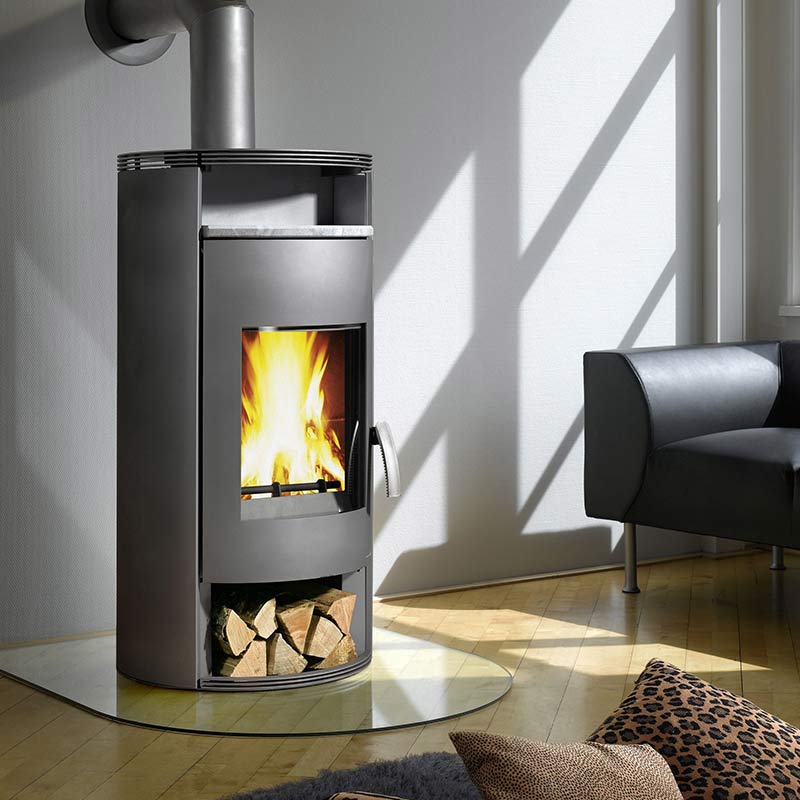
When the Western Cape's chilly winter evenings roll in, homeowners in Stellenbosch, Somerset West, and Strand start thinking about the perfect fireplace solution. With rising electricity costs and load shedding concerns, choosing between a closed combustion fireplace and a traditional open fireplace has become more important than ever. Understanding the differences can help you make an informed decision that suits your home's needs, budget, and heating requirements
Understanding the Key Differences Between Fireplace Types
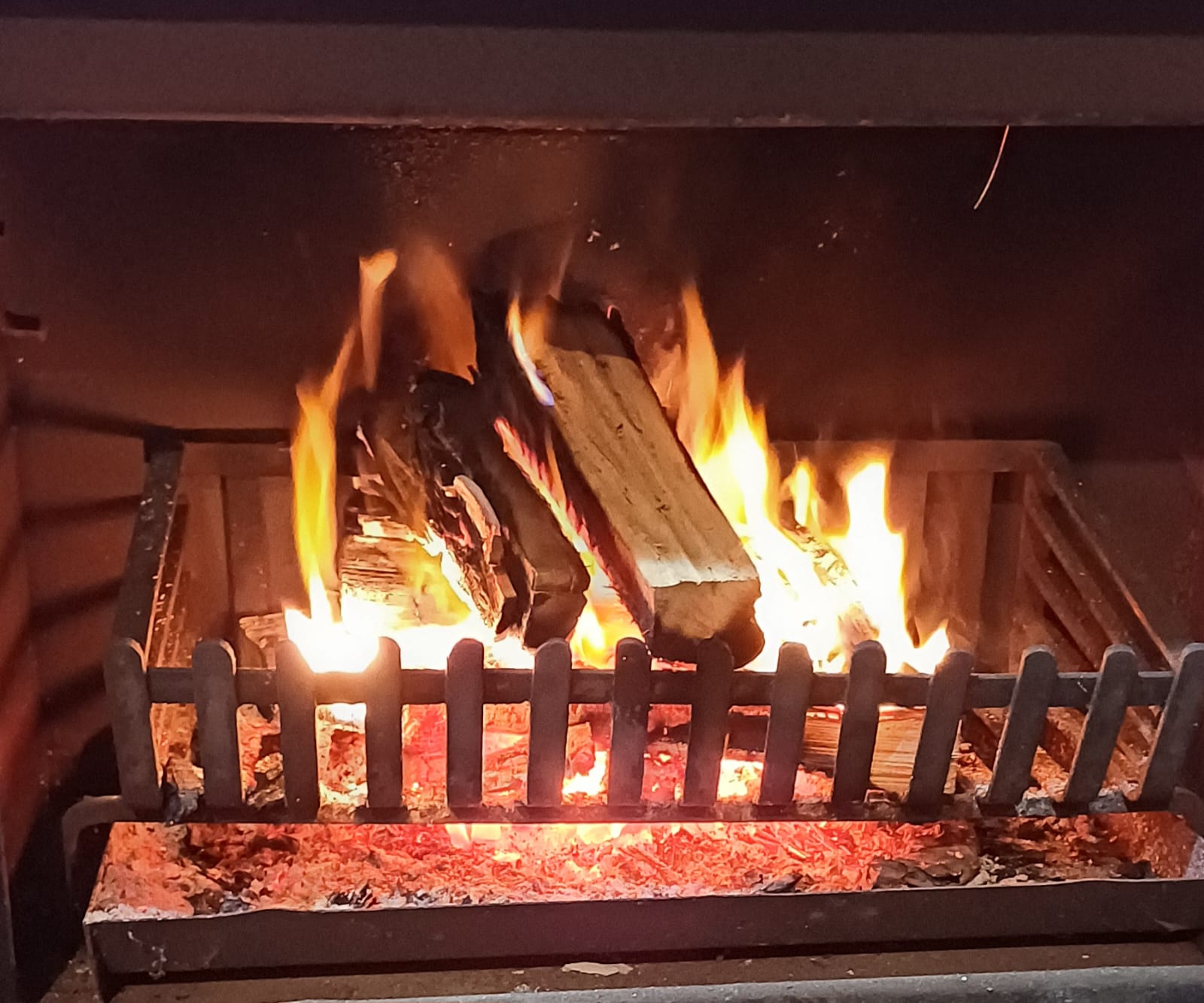
The primary distinction between closed combustion and open fireplaces lies in their design and efficiency. An open fireplace features an exposed flame with direct air circulation, creating that classic ambiance many homeowners love. However, most of the heat escapes up the chimney rather than warming your living space.
Closed combustion fireplaces, on the other hand, are enclosed units with controlled air intake and sealed combustion chambers. This design maximizes heat output while minimizing heat loss, making them significantly more efficient for heating your Stellenbosch home during those cold winter months.
Heat Efficiency: Why Closed Combustion Wins
When comparing heating efficiency, closed combustion fireplaces are clear winners. These units can achieve 70-80% efficiency rates, meaning most of the heat generated stays in your room rather than disappearing up the chimney. Open fireplaces typically achieve only 10-20% efficiency, as the majority of heat is lost through the flue.
For homeowners in Somerset West and surrounding areas dealing with high electricity costs, this efficiency difference translates to significant savings on heating bills. A closed combustion fireplace can effectively heat larger areas of your home, reducing reliance on electric heaters and helping you stay comfortable during load shedding.
Installation Considerations for Western Cape Homes
Installing either fireplace type in your Stellenbosch home requires careful planning. Open fireplaces need substantial chimney systems and proper ventilation, which can be costly to retrofit in existing homes. They also require more extensive structural modifications.
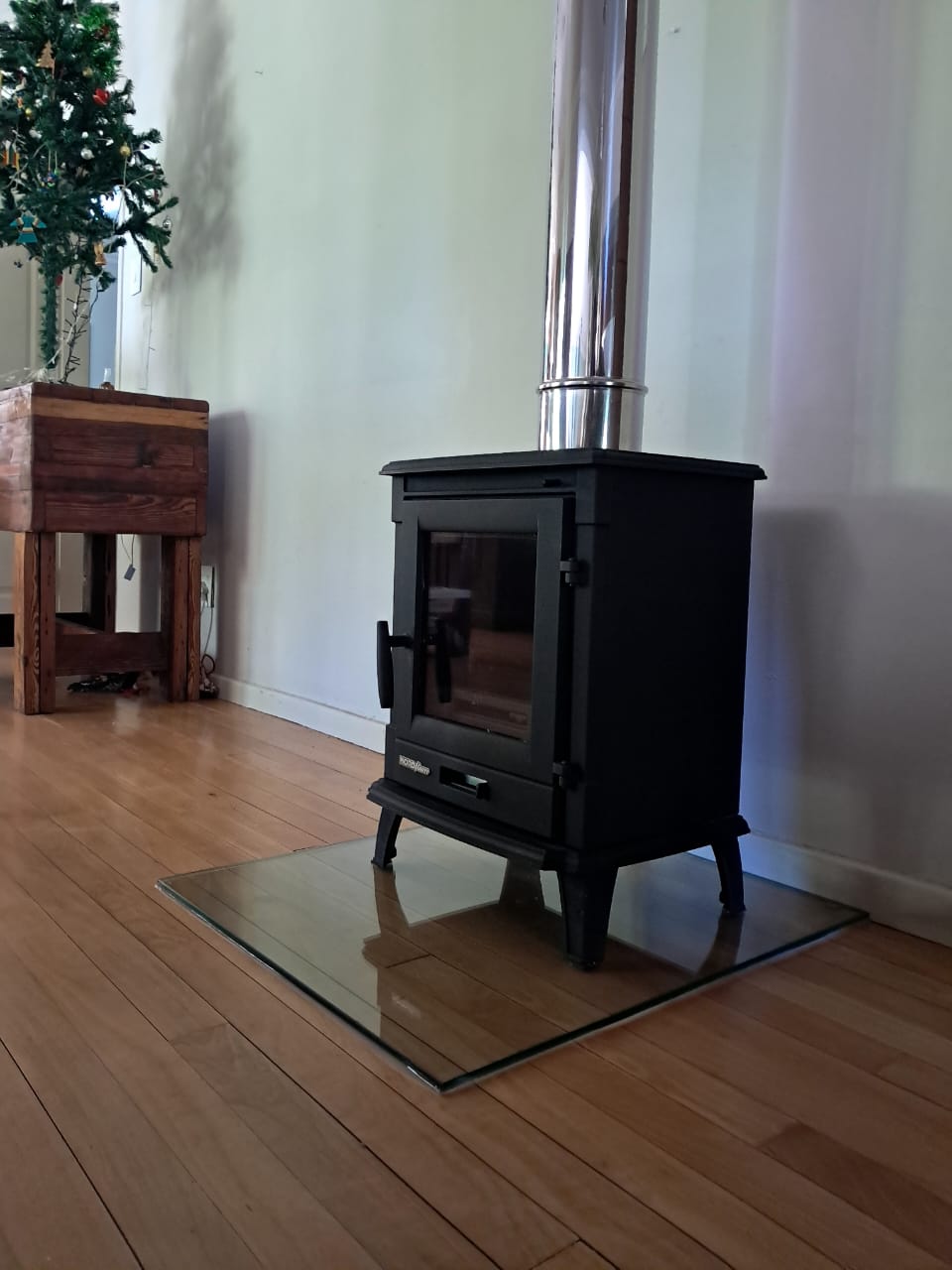
Closed combustion fireplaces offer more flexibility in installation. Both freestanding and built-in options are available, allowing you to choose the best fit for your space. Many models can be installed with existing chimney infrastructure or new flue systems, making them adaptable to various home designs common in the Somerset West and Strand areas.
Safety and Environmental Impact
Safety is paramount when choosing any fireplace solution. Closed combustion fireplaces provide superior safety features, including sealed combustion chambers that prevent sparks from escaping and better control over the burning process. The glass doors also prevent children and pets from accidentally coming into contact with the fire.
From an environmental perspective, closed combustion units burn more completely, producing fewer emissions and using less wood for the same heat output. This efficiency makes them a more sustainable choice for environmentally conscious homeowners in the Western Cape region.
Your HeadingMaintenance Requirements and Long-term Costs
Open fireplaces require regular chimney cleaning and maintenance due to increased creosote buildup from inefficient burning. The exposed nature of the fire also means more ash and debris management.
Closed combustion fireplaces generally require less frequent maintenance. The more complete combustion process produces less creosote, and the sealed design contains ash and debris better. However, the glass doors and seals require periodic cleaning and replacement to maintain optimal performance.
Choosing the Right Option for Your Stellenbosch Home
Your choice between closed combustion and open fireplace depends on your priorities. If ambiance and the traditional fireplace experience are most important, an open fireplace might suit your needs. However, if heating efficiency, cost savings, and practical warmth are priorities, closed combustion is the clear choice.
Consider your home's layout, existing infrastructure, and heating needs. Homes in Stellenbosch's wine lands or elevated areas of Somerset West that experience particularly cold winters will benefit most from the superior heating capacity of closed combustion units.
Many homeowners also appreciate how closed combustion fireplaces complement other home improvements like custom wooden blinds or ShutterX shutters, creating a cohesive, energy-efficient home environment that maintains comfortable temperatures while reducing utility costs.
Ready to transform your home with a custom fireplace solution? Schedule your FREE in-home consultation with Strümp today! Our experts will assess your space, take measurements, and help you choose the perfect fireplace for your home. Contact us at 079 344 1229 or email us at info@strump.co.za
Frequently Asked Questions
Closed combustion fireplaces are typically 70-80% efficient compared to open fireplaces at 10-20% efficiency. This means you get 3-4 times more heat from the same amount of wood.
: In many cases, yes. Existing chimney infrastructure can often be adapted for closed combustion units, though a professional assessment is recommended to determine the best approach for your specific situation.
Installation typically takes 1-2 days for freestanding units and 2-3 days for built-in systems, depending on your home's existing infrastructure and the complexity of the installation.